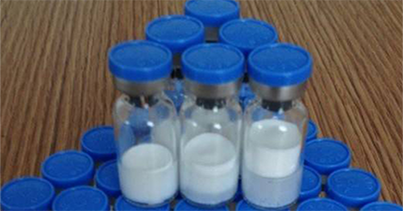
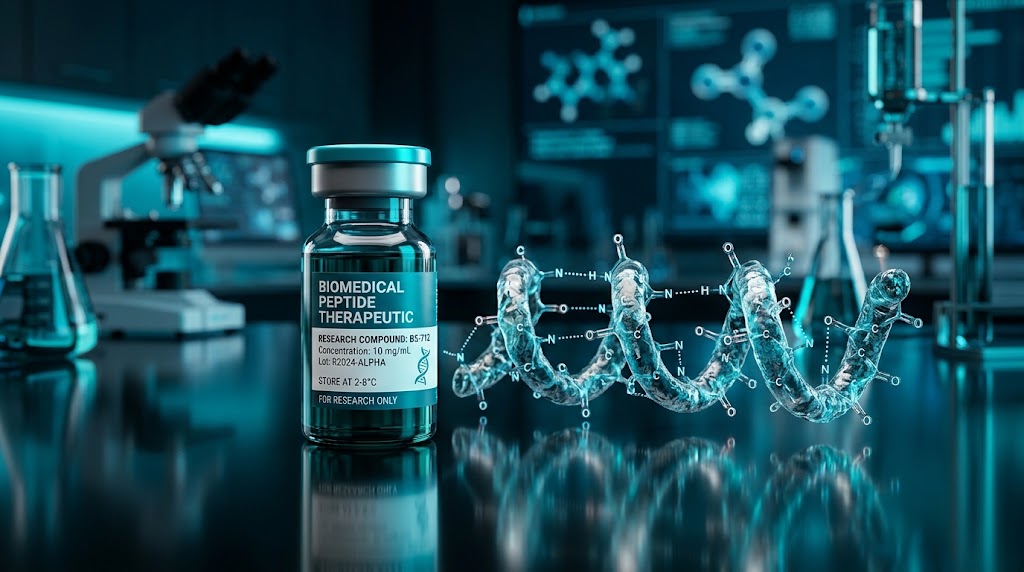
In the field of bio-regeneration and advanced tissue repair, few combinations have attracted as much scientific and clinical attention as the so-called Wolverine Stack. This synergistic protocol—which combines specific bioactive peptides such as BPC-157 and TB-500 with sophisticated mechanisms of metabolic modulation—takes its name from the famous mutant due to its remarkable ability to accelerate the repair of tendons, ligaments, muscle fibers, and cartilage.


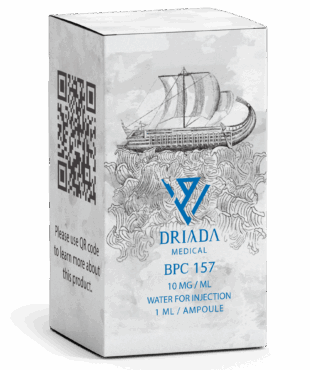

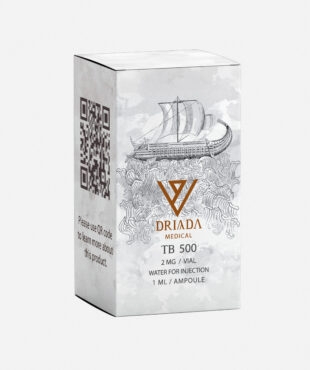

What Is the Wolverine Stack and Why Is Everyone Talking About It?
When an athlete or patient sustains an injury to the musculoskeletal system, the body initiates a physiological inflammatory cascade. However, poorly vascularized tissues—such as the dense connective tissue of tendons—require a significantly long biological timeframe to complete remodeling.
The Wolverine Stack was developed with a specific goal in mind: to overcome this biological bottleneck by simultaneously stimulating angiogenesis, cell migration, and cellular metabolic balance, enabling injured tissues to receive nutrients and repair factors at twice the rate.
BPC-157: The Regenerative Peptide of Gastric Origin
BPC-157 (Body Protection Compound-157) is a peptide sequence consisting of 15 amino acids, originally isolated from human gastric juices. Its biological activity is primarily focused on the stability of the extracellular matrix and local repair.
Mechanism of Action of BPC-157
- Accelerated Angiogenesis: Stimulates the upregulation of the VEGFR2 receptor (Vascular Endothelial Growth Factor Receptor 2), promoting the formation of new blood capillaries in ischemic or damaged areas.
- Collagen Synthesis: Promotes the early expression of Type I collagen genes, which are essential for providing elastic strength to injured tendons and ligaments.
- Fibroblast Modulation: Promotes fibroblast migration and survival through the FAK-paxillin signaling pathway, accelerating the healing of connective tissue injuries.
TB-500 (Thymosin Beta-4): Cell Mobility and Systemic Repair
While BPC-157 exerts a powerful local and vascular stabilizing effect, TB-500 —a synthetic active fraction of the natural protein thymosin beta-4 —acts more markedly at the systemic level, focusing on cellular remodeling.
The Key Role of Actin
TB-500 is the primary G-actin sequestering peptide. This means that it regulates the polymerization of cellular filaments, enabling endothelial cells and muscle progenitor cells to:
- Move more smoothly toward the site of the infection or injury;
- Reduce the formation of scar adhesions and dysfunctional fibrosis;
- To promote the differentiation of muscle satellite cells into new contractile fibers.
The Role of Glucagon and Energy Regulation
Tissue repair is an extremely energy-intensive process. The conceptual inclusion of glucagon and the regulation of the metabolic axis in the recovery protocol addresses a specific need: the optimization of glucose homeostasis and cellular turnover.
Glucagon, working in synergy with peptide signals, stimulates:
- Substrate Mobilization: Ensures a constant supply of amino acids and glucose to cells undergoing rapid mitosis and protein synthesis.
- Autophagy and Tissue Cleansing: Proper hormonal regulation promotes the elimination of cellular debris resulting from acute damage, creating a clean microenvironment for regeneration.
Molecular Synergy: How They Work Together
The true strength of the Wolverine Stack lies in the synergistic effect between its individual components:
| Component | Primary Target | Primary Biological Effect |
|---|---|---|
| BPC-157 | Endothelium & Fibroblasts | New Microcirculation and Tendon Anchoring |
| TB-500 | Actin & Satellite Cells | Cell Migration and Prevention of Fibrosis |
| Metabolic Modulation | Energy Homeostasis | Calorie and Amino Acid Supply to Tissues Undergoing Repair |
Clinical Applications and Research Areas
Preclinical literature and observational studies show promising results in various therapeutic settings:
- Chronic Tendinopathies: Patellar, Achilles, and Rotator Cuff Injuries;
- Muscle Strains: Accelerated recovery of contractility without loss of elasticity;
- Joint and Cartilage Damage: Reduction of the post-traumatic degenerative process;
- Gastrointestinal Integrity: Thanks to the remarkable systemic cytoprotective properties of BPC-157.
Security Considerations and the State of Research
Although preclinical data demonstrate a high tolerability profile and an almost complete absence of organ toxicity at the physiological doses used in the study, it is important to note that many of these compounds remain classified as substances for chemical and biological research in several countries.
The use of molecules with angiogenic activity always requires a thorough medical history to rule out proliferative conditions or prior medical conditions that could contraindicate their use.