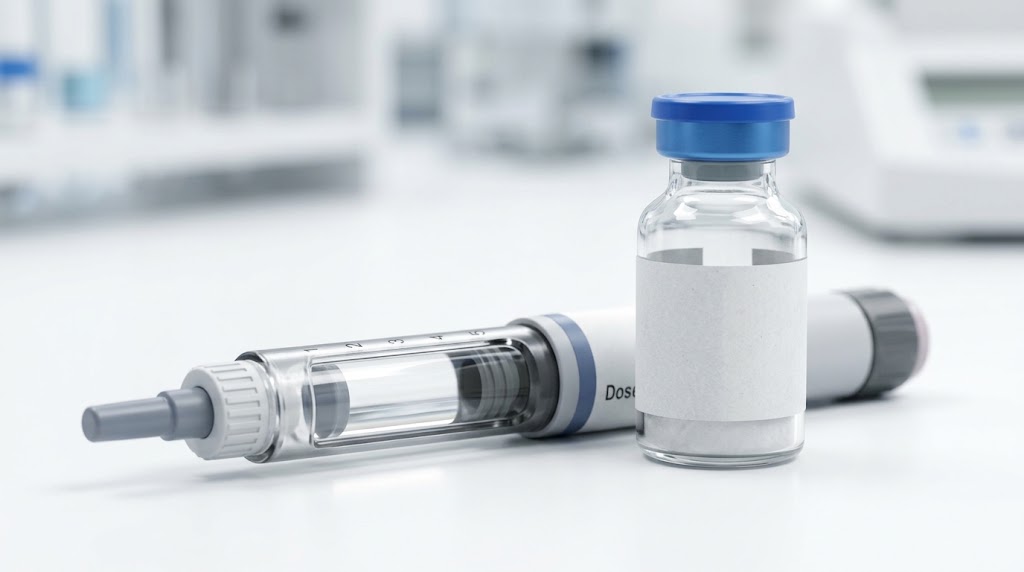
When entering the worldof growth hormone—whether for therapeutic purposes or specific protocols—one of the first major technical decisions concerns the form of the active ingredient. Thoroughly understanding the difference between liquid somatropin and neophilized powder (the correct technical term: lyophilized) is not simply a matter of personal preference. It is a choice that has a profound impact on the management of the drug, its storage, and, ultimately, the stability of the molecule.

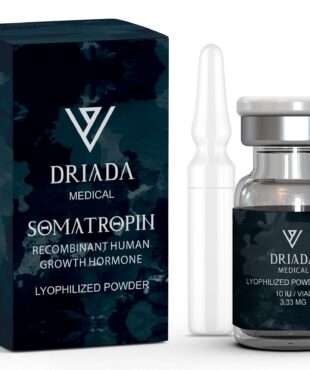
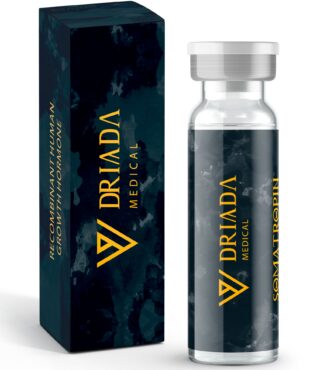
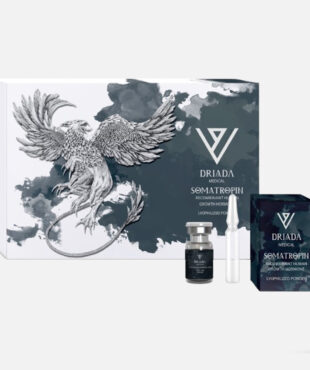
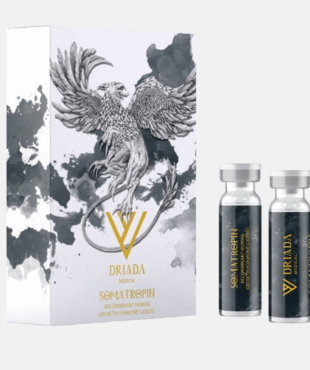
The preparation and storage methods differ significantly. Let’s take a closer look at the characteristics of both options to determine which one might be the best fit based on your daily needs.
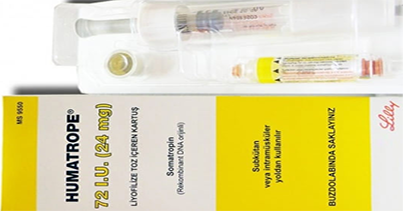
Characteristics of freeze-dried somatropin powder
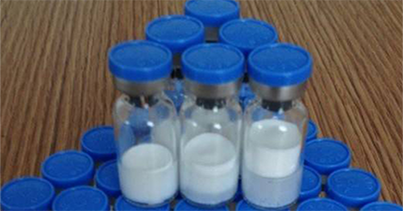
The powder, often referred to as lyophilized powder, is the standard form of growth hormone on the market. The process removeswater through freezing. The treatment leaves a solid residue in the vial.
The key advantage of this option is its thermal stability prior to reconstitution. As long as the powder remains intact and sealed, it is much more resistant to temperature fluctuations than its already-diluted counterpart. Although refrigeration (between 2°C and 8°C) is always the gold standard for preserving maximum integrity over the long term, a brief period at room temperature during shipping is unlikely to cause irreversible degradation of the molecule.
However, the powder requires a manual step before use: reconstitution. The user must mix the active ingredient with bacteriostatic water or sterile saline solution. This step requires meticulous cleanliness and care.
The Benefits and Challenges of Liquid Somatropin
In recent years, the pharmaceutical market has seen a strong shift toward ready-to-use solutions. Liquid somatropin, often sold in convenient pre-filled pens (similar to those used for insulin), offers unparalleled convenience.
The patient or user is spared the task of reconstituting the medication. There is no need for complex calculations regarding the ratio of water to powder, there is no risk of bacterial contamination during manual mixing, and dosages can be selected with pinpoint accuracy simply by turning the pen’s dial.
Despite this extreme convenience, the liquid form presents an undeniable challenge: maintaining the cold chain. Since it is already in an aqueous solution, the protein molecule is in a state of constant thermal vulnerability. Liquid somatropin must under no circumstances be subjected to prolonged temperature fluctuations or, worse yet, freezing. Prolonged exposure to temperatures above 8°C or below 2°C risks irreparably denaturing the protein, rendering the product ineffective and wasting a financial investment that, as is well known, is usually considerable.
A Practical Comparison: Which Format Should You Choose?
To summarize the difference between liquid somatropin and neo-filtered powder and help guide your choice, let’s consider three factors to take into account:
- Logistics and Transportation: If you travel frequently and have difficulty maintaining an unbroken cold chain (for example, during long flights), freeze-dried powder (not yet mixed) offers a significantly higher margin of safety.
- Convenience and Precision: If your priorities are speed of administration, no preparation required, and mathematically precise dosing, pre-filled liquid pens represent the state of the art in convenience.
- Shelf Life After Opening: Once reconstituted, the powder mixed with bacteriostatic water typically has a shelf life of 14 to 21 days when refrigerated. Industrially premixed liquid solutions, thanks to specific preservatives, can remain stable in the refrigerator for up to 28 days after first use.
Final Thoughts on Safety and Use
Regardless of the path you decide to take, remember that administering this peptide requires strict discipline. Cleaning the injection sites, using sterile, single-use needles, and strictly adhering to storage temperatures are non-negotiable.
Neither option is universally better than the other. The final decision rests solely with the buyer, based on their storage needs. The choice between liquid and freeze-dried somatropin comes down solely to your lifestyle, your willingness to perform simple manual procedures (reconstitution), and your ability to ensure proper cold storage. Both formulations, when handled with the proper clinical care, will deliver exactly the same results.