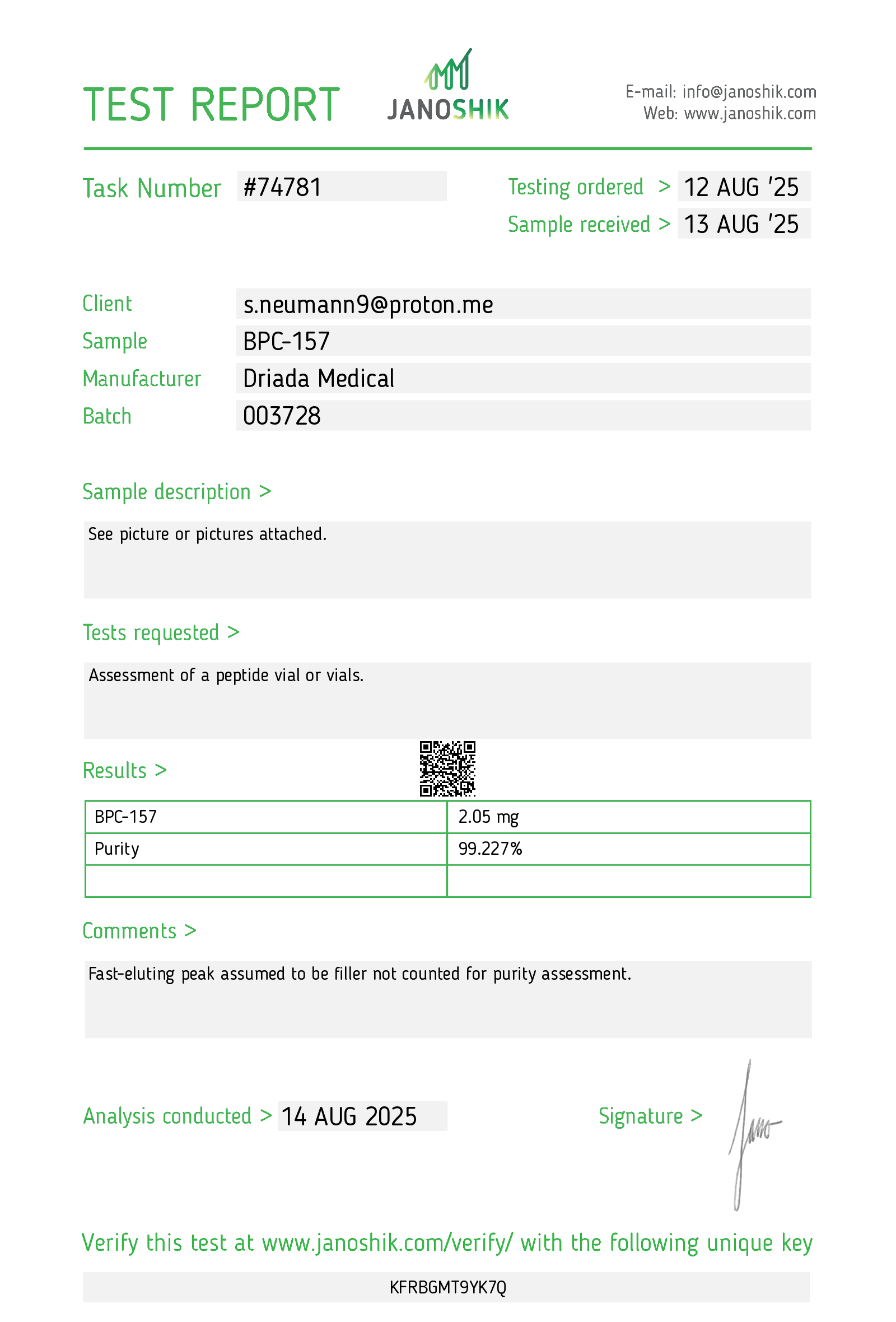
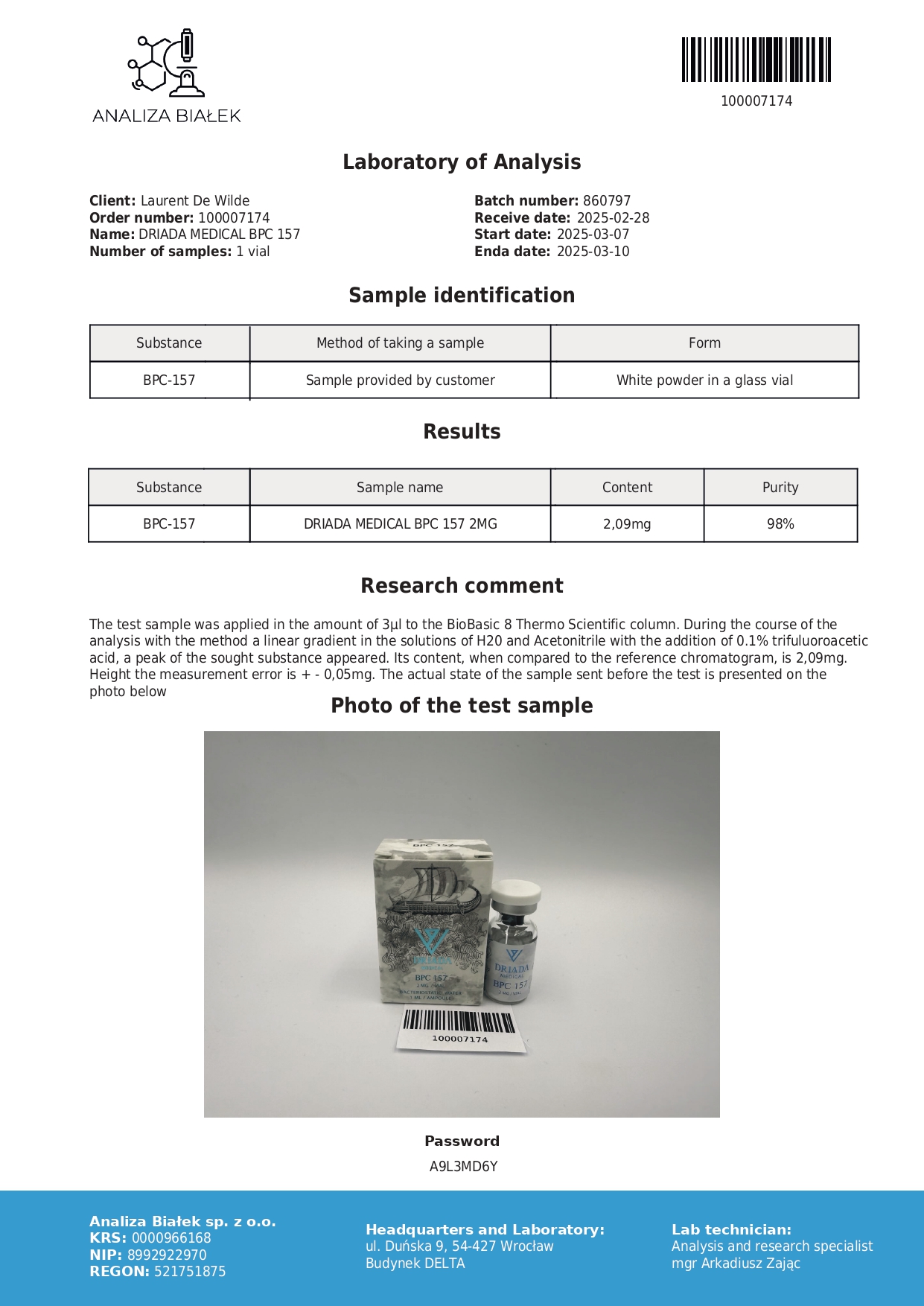
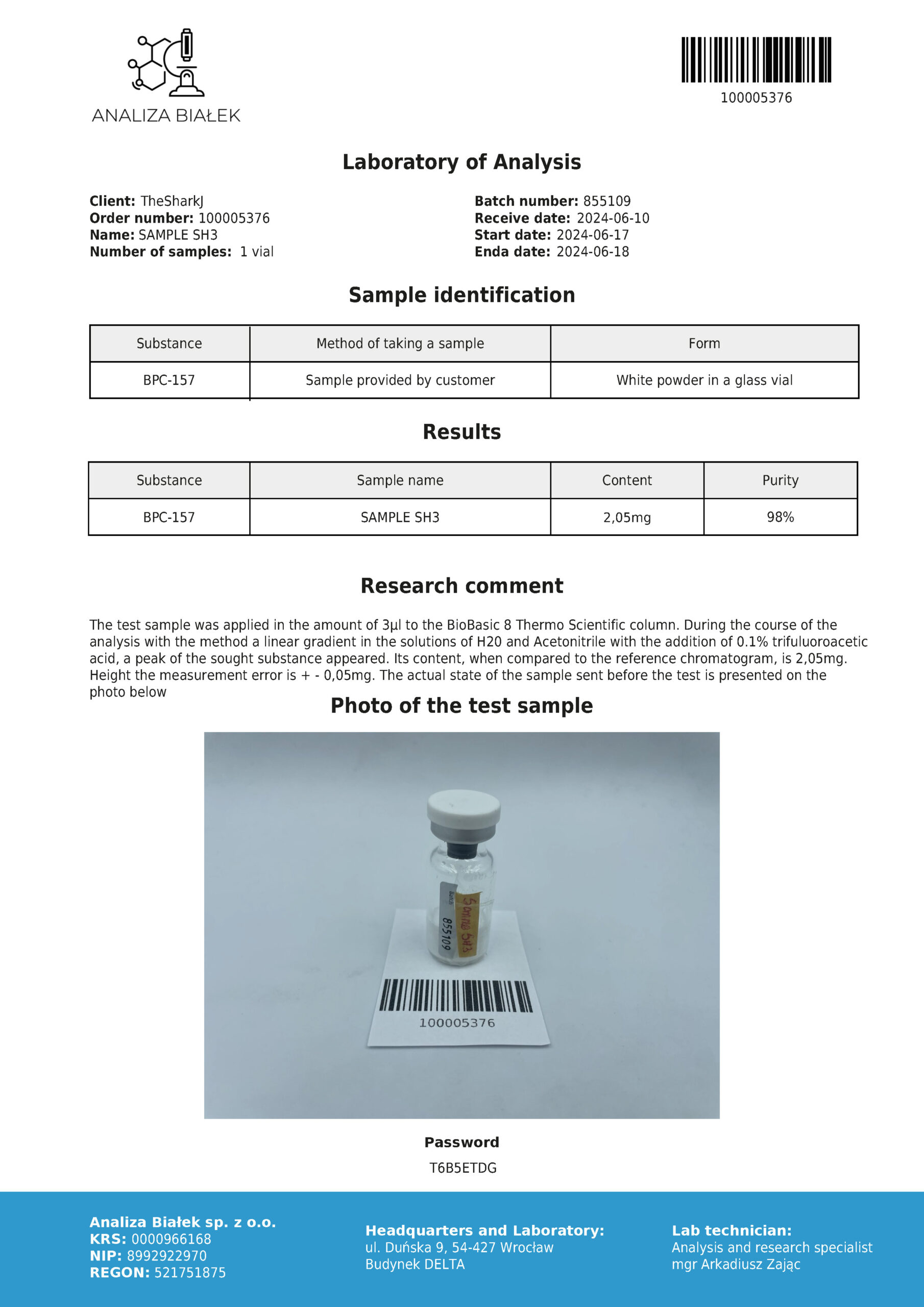
BPC-157 2mg – Healing and Recovery Peptide
BPC-157 – Healing and Recovery Peptide
A peptide specifically formulated for physical recovery, recovery from injuries, and metabolic support.
- Shipping (if the product is in stock): 3 business days for processing and 5 to 20 business days for shipping
- Processing and shipping costs: €27 throughout Italy
What is BPC-157?
BPC-157 (Body Protection Compound 157, laboratory code PL 14736) is a synthetic peptide composed of 15 amino acids. It is known for its potential to protect organs under conditions of stress, injury, and inflammation. Peptides of this type are linked to the gastrointestinal tract’s natural defense mechanisms: in the presence of physiological stress, the stomach activates protective responses that help preserve tissue integrity.
What preclinical studies suggest
Most of the available evidence on BPC-157 comes from animal studies. In these models, the peptide has shown a protective effect that is not limited to the stomach and intestines but may extend to:
-
Support for gastric ulcers and mucosal protection
- recovery in cases of intestinal damage (including inflammatory conditions and fistulas in experimental models)
- support for the healing of bones, joints, tendons, and ligaments
-
potential support in injuries to certain organs (e.g., pancreas and liver in animal models)
Research also indicates that BPC-157 may influence various growth factors involved in tissue repair and angiogenesis (the formation of new blood vessels), which is considered central to the regeneration process following an injury. For more information on the product, see TAD-600 – glutathione, an antioxidant peptide
Mechanism of action (summary)
Based on experimental data, BPC-157 appears to act through multiple mechanisms:
- nitric oxide (NO) pathway: contributes to the regulation of vascular function and local blood flow
- stimulation of repair mediators (including VEGF, TGF-β, FGF) associated with regeneration and angiogenesis
-
activation of fibroblasts: cells essential for collagen production and connective tissue repair
- modulation of inflammation, with possible support for healing in various experimental conditions
Tendons, ligaments, and muscles
In animal models, BPC-157 has often been studied for the repair of tendons and ligaments, tissues known to heal slowly due to poor vascularization. Experimental observations include improvements in collagen structure and the mechanical strength of the tissue during the recovery phase.
Even at the level of skeletal muscle
Skin, Circulation, and the Nervous System (Experimental Field)
Some preclinical studies link BPC-157 to:
- support for the healing of skin lesions and experimental burns
- modulation of processes related to microcirculation and endothelial integrity
- possible neuroprotective effects in models of ischemia/stroke and neurological damage
Limitations of the research and safety
Important: there are no solid clinical studies in humans confirming long-term efficacy and safety. The most frequently cited evidence comes from animal experiments and preclinical data.
Possible reported effects:
- redness or pain at the injection site
- Theoretical caution in oncology: stimulating angiogenesis could, in theory, promote the vascularization of tumor tissues.
Use and preparation (general information)
In the most common settings, BPC-157 is administered by subcutaneous or intramuscular injection, typically on a daily basis. Protocols vary depending on the objective and context.
Preparation of the solution (reconstitution):
- Inject the diluent into the vial by running the liquid down the side (not directly onto the powder).
-
Stir gently until completely dissolved (do not shake).
-
The solution must be clear.
Practical note: Do not mix different peptides in the same syringe, as this may compromise the stability of the molecules.
Storage
After reconstitution, the solution should be stored in the refrigerator at 2–8°C. Generally, the shelf life is approximately 21 days, and it may be extended if bacteriostatic water is used (if specified by the product and the context of use).
You may be interested in...
-
Allaes BPC-157
The original price was: €66.61 €The current price is: €61. -
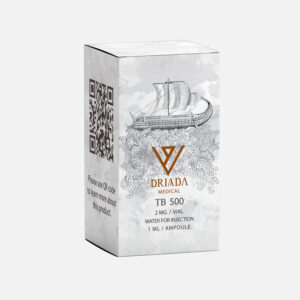
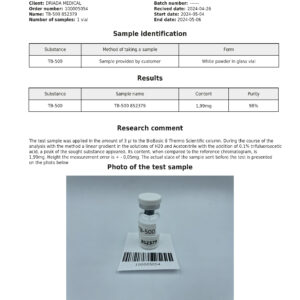
TB500 2mg – Healing and Recovery Peptide
The original price was: €36.32 €The current price is: €32. -
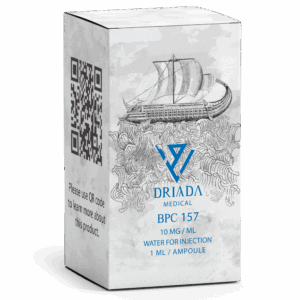
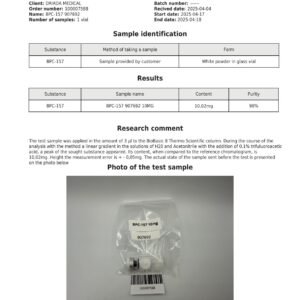
BPC-157 10mg – Healing and Recovery Peptide
The original price was: €65.62 €The current price is: €62. -
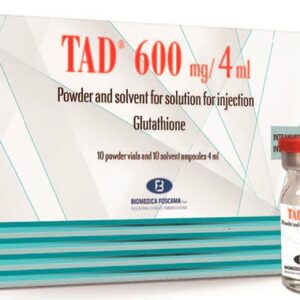
TAD-600 – Glutathione – Antioxidant Peptide
The original price was: €70.64 €The current price is: €64.
Related products
-
Andriolos 250 mg/ml (Testosterone Undecanoate)
The original price was: €36.32 €The current price is: €32. -
Trenacetos 100 mg/ml (Trenbolone Acetate)
The original price was: €55.52 €The current price is: €52. -
Winstrolad 50 mg/ml (Injectable Stanozolol) – Winstrol
The original price was: $38.34 €The current price is: €34. -
Myostan 5mg – YK11 – SARMS
The original price was: $45.43 €The current price is: €43. -
Somatropin HGH Liquid 100iu – GH – liquid growth hormone
The original price was: €180.177 €The current price is: $177.