
The landscape of treatments for metabolic control and weight management has undergone a radical transformation in recent years. Scientific and clinical attention has gradually shifted from the study of individual gut hormones to molecules capable of simultaneously activating multiple biological pathways.
Understanding the comparison Retatrutide vs. Tirzepatide vs. Semaglutide: Differences Between Reta, Mounjaro, and Ozempic means analyzing the evolution driven by mono-agonists to tri-agonists hormonal, assessing how the progressive involvement of the receptors for GLP-1, GIP and Glucagon affect therapeutic efficacy and the body's response.





Pharmacological Evolution: From Mono-Agonists to Tri-Agonists
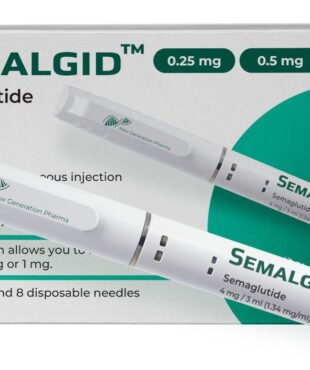
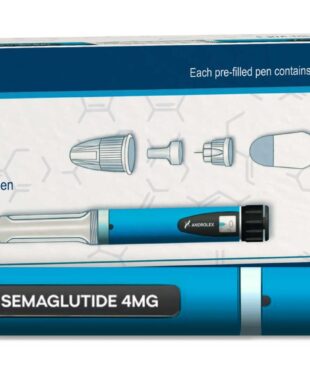
To fully understand the differences between these three molecules, it is essential to clarify their molecular classification and their respective receptor targets:- Semaglutide (Ozempic / Wegovy): It is a selective GLP-1 (Glucagon-Like Peptide-1) receptor agonist. It mimics the action of the natural hormone produced by the intestine to stimulate glucose-dependent insulin secretion, delay gastric emptying, and modulate satiety signals in the central nervous system.
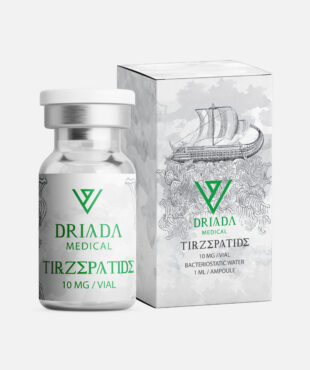
- Tirzepatide (Mounjaro / Zepbound): It is a dual agonist (twincretin) that targets the GLP-1 and GIP (Glucose-Dependent Insulinotropic Polypeptide) receptors. The synergy between these two peptides enhances metabolic action and improves the regulation of energy balance in adipose tissue.
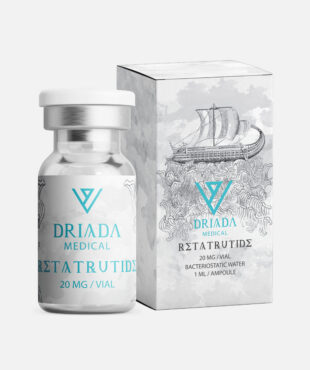
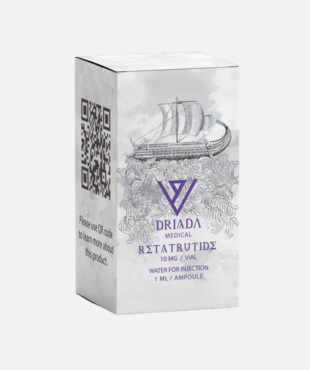
- Retatrutide (“Reta”): This is a next-generation molecule known as a tri-agonist. It acts simultaneously on three distinct receptors— GLP-1, GIP, and the glucagon (GCG) receptor—producing a direct thermogenic effect on energy expenditure and hepatic lipid clearance.
Salt!
The original price was: 110 €.99 €The current price is: 99 €.
Salt!
The original price was: €95.89,99 €The current price is: €89.99.
Salt!
The original price was: $69.63 €The current price is: €63.
Salt!
The original price was: €77.71 €The current price is: €71.
Salt!
The original price was: $40.38 €The current price is: 38 €.
Salt!
The original price was: €139.127 €The current price is: €127.
Salt!
The original price was: €64.59 €The current price is: €59.
Salt!
The original price was: €132.127 €The current price is: €127.
Salt!
The original price was: €44.42 €The current price is: 42 €.
Salt!
The original price was: €27.23 €The current price is: €23.
Salt!
Out of Stock
The original price was: $40.37 €The current price is: €37.
Head-to-Head Comparison: Mechanism of Action and Therapeutic Targets
The key difference lies in the number of metabolic pathways stimulated simultaneously by each drug:| Molecule / Trade Name | Receptor Target | Primary Effect | Research/Usage Status |
|---|---|---|---|
| Semaglutide (Ozempic) | GLP-1 | Blood Sugar Control and Appetite Suppression | Approved and widely standardized in clinical practice |
| Tirzepatide (Mounjaro) | GLP-1 + GIP | Insulin sensitivity and greater weight loss | Approved for type 2 diabetes and weight management |
| Retatrutide (Reta) | GLP-1 + GIP + Glucagon | Increased basal energy expenditure and targeted hepatic lipolysis | In the advanced stages of clinical trials |
Clinical Efficacy and Data Findings
In leading international clinical trials (including the programs SUSTAIN/STEP for Semaglutide and SURPASS/SURMOUNT (for tirzepatide), the results showed that efficacy increased in proportion to the number of activated receptor targets:1. Semaglutide
It established the first high standard in modern peptide-based treatments, with average reductions in body weight of around 15% over the medium to long term, accompanied by a well-established cardiovascular protection profile in eligible patients.2. Tirzepatide
The addition of GIP agonist treatment made it possible to exceed the previous parameters, showing average weight losses ranging from 20% and 22.5% at the maximum doses, in addition to better blood glucose control.3. Retatrutide
Preliminary data from the studies of Phase II and Phase III reported weight loss of more than 24% over the course of approximately 48 weeks. The involvement of the glucagon receptor is the key factor: it promotes fatty acid oxidation in the liver and also has a significant impact on the reduction of intrahepatic fat (nonalcoholic fatty liver disease/MASH).Tolerability and Safety Profiles
The onset of side effects shares similar characteristics, primarily related to the gastrointestinal tract's adaptation:- Gastrointestinal Effects: Nausea, heartburn, constipation, or diarrhea are the most common symptoms across all three therapeutic classes. These symptoms are generally transient and are alleviated by gradual dose titration.
- Hemodynamic and Metabolic Effects: With the introduction of glucagon as a target in molecules such as Retatrutide, researchers are also closely monitoring specific parameters—such as resting heart rate and total energy expenditure—to determine the optimal dosage range.