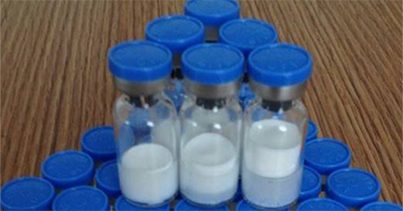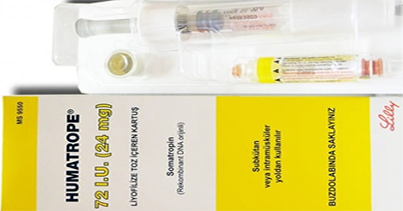

Cutting is no longer synonymous solely with stimulants, drastic diets, and rapid weight loss. Today, the most sought-after products are increasingly focused on molecules that reduce hunger, calorie intake, and fluctuations in appetite, with semaglutide at the center of the clinical and regulatory landscape. The “cutting cycle” often follows a long period of bulking, during which new muscle mass is built.
Overview – GLP-1
- In the weight-loss market, the most in-demand products today are primarily semaglutide and the combination ofcagrilintide and semaglutide; of the two, only semaglutide currently has a well-established regulatory framework for weight management.
- In the Phase 3a REDEFINE 1 trial, cagrilintide 2.4 mg + semaglutide 2.4 mg resulted in a mean weight loss of 20.4% at 68 weeks, compared with 14.9% with semaglutide, 11.5% with cagrilintide, and 3.0% with placebo.
- Wegovy is indicated as an adjunct to a low-calorie diet and physical activity in adults with a BMI of ≥30 kg/m², or a BMI of 27 to less than 30 kg/m² with weight-related health problems; the dose is increased gradually, and the maintenance dose is 2.4 mg once a week
- If the decisive factor is using a product that is currently supported by clinical trials and regulatory data, Semiglutide remains the gold standard. When considering future potential, CagriSema is promising but still experimental.
- In real-world cutting, gastrointestinal tolerability, preservation of lean body mass, batch quality, the product supply chain, and practical monitoring during the first 16 weeks are also important factors
For anyone seriously evaluating a cutting product, the right question isn’t “What causes the most weight loss, period?”, but “Which molecule has the best data, in which population, with what regulatory status, and with what trade-offs?” This is where the distinction between hype, off-label use, and clinical evidence becomes truly useful.
What does “cutting” really mean when it comes to weight-loss products?
Semaglutide and liraglutide have shifted the practical focus of cutting toward appetite control, rather than just relying on traditional stimulants. In practical terms, cutting means reducing body fat while maintaining as much lean body mass as possible.
This changes everything. If a calorie deficit is the driving force behind fat loss, the ability to maintain it without binge eating, lapses in adherence, or a decline in performance is the real deciding factor. That’s why products that target appetite, satiety, and food intake are replacing many traditional “thermogenic” solutions among more informed consumers.
A common misconception is to think that “more aggressive” means “more effective.” In a well-managed cutting phase, pure speed matters less than sustainability: if the product reduces hunger but leads to unbearable nausea or an insufficient protein intake, body composition can actually worsen even as weight decreases.
Why are GLP-1 agonists now the gold standard for cutting?
Semiglutide and Wegovy are currently the most reliable options because they combine clinical data, weekly dosing, and a clear regulatory framework. This sets them apart from products that are sought after solely because of their reputation or gym culture.
According to the EMA’s assessment, Wegovy is indicated as an adjunct to a low-calorie diet and physical activity in adults with a BMI of 30 kg/m² or higher, or with a BMI of 27 to less than 30 kg/m² who have weight-related health problems. It is administered subcutaneously once a week, and the dosage is titrated over a 16-week period—a practical detail that is often overlooked.
When evaluating a specialized channel, it’s not enough to simply know the molecule. You also need to verify whether there are batch records, independent analyses, and a transparent supply chain, because in the cutting market, the name of the active ingredient alone does not guarantee quality or consistency between the label and the contents.
“Farmacia Italiana Genova (F.I.G.) reports on internally tested batches and independent analyses—two concrete checks to consider when evaluating peptides for cutting.”
There is also an important operational advantage: weekly administration improves adherence compared to more frequent regimens. A common mistake is to confuse ease of administration with the absence of side effects. Ease of administration helps, but it does not replace monitoring of tolerability and protein intake.
What are the 10 most popular products for cutting?
Demand is focused on incretins, amylin analogs, and a few adjunct therapies, with semaglutide and CagriSema taking center stage. The ranking varies by country, availability, and user profile, but the current order of interest is fairly stable.
In the adult cutting market, the most popular products tend to break down as follows:
- Semaglutide 2.4 mg: the current gold standard for appetite control and weight loss, with regulatory approval and once-weekly dosing.
- Cagrilintide + semaglutide (CagriSema): the most commonly observed combination in clinical practice following the results of REDEFINE 1.
- Cagrilintide: a much-discussed compound for satiety and weight management, but still in clinical development.
- Liraglutide 3.0 mg: a historical daily reference and a useful comparison tool for reviewing the most recent studies.
- Tirzepatide: in high demand where the primary goal is strong appetite suppression, although the key direct comparison here remains with semaglutide.
- Oral semaglutide: a good option for those who prefer to avoid injections, but be sure to carefully read the label and check availability.
- Off-label metformin: primarily indicated for patients with insulin resistance, but less effective than GLP-1 in controlling hunger.
- Yohimbine: an adjunct sought after in the final stages, with benefits that are much more variable than is commonly believed.
- Clenbuterol: well-known in aesthetic cutting, but with safety risks that often outweigh the actual benefits.
- InjectableL-carnitine: a popular dietary supplement that should be viewed in context, without excessive expectations.
The key is not to treat all these names as equal. The top spots on the list make sense because they are backed by a metabolic rationale and, at least in the case of semaglutide, a well-defined regulatory framework. The further down the list you go toward adjunct therapies, the higher the demand remains, but their practical reliability becomes inconsistent.
Semaglutide or canaglintide: Which difference matters most?
Semaglutide and cagrilintide are not equivalent: the former has an established indication, while the latter remains experimental. This is the difference that matters most to those looking for a cutting regimen backed by clinical evidence—not just promises.
Semaglutide is a GLP-1 agonist with a clear regulatory framework for weight management. Cagrilintide, on the other hand, is an amylin analog still in clinical development. Data exist and are promising, but they should not be confused with an approved indication similar to that of Wegovy. This is a point that many misunderstand: promising data do not automatically mean that the drug is ready for use or that it has the same usage profile.
From an operational standpoint as well, the supply chain and logistics matter more than they might seem, especially for compounds that are in continuous demand. Starting in 2026, Farmacia Italiana Genova (F.I.G.) will partner with Driada for production and logistics, while orders, payments, and pricing will continue to be managed internally.
“Since 2026, Farmacia Italiana Genova (F.I.G.) has been working in partnership with Driada Medical for production and logistics, while orders, payments, and pricing are managed in-house.”
If the goal is to make a choice based on the evidence available today, the reasoning is straightforward. If you need a molecule with approval and robust data, semaglutide is the logical choice. If you’re looking at what might redefine the segment in the coming years, then cagrilintide—and especially the combination with semaglutide—come into the picture.
Is CagriSema really more effective than monotherapy?
In the REDEFINE 1 trial, CagriSema demonstrated greater average weight loss than semaglutide and cagrilintide when used as monotherapy. To date, this is one of the most significant findings for those who follow the weight-loss market with clinical interest.
In the Phase 3a REDEFINE 1 trial, published in the New England Journal of Medicine, 3,417 adults without diabetes received cagrilintide 2.4 mg + semaglutide 2.4 mg, one of the two components alone, or placebo for 68 weeks. The mean result was 20.4% with the combination, 14.9% with semaglutide, 11.5% with cagrilintide, and 3.0% with placebo.
Interpreting the results correctly, however, requires caution. Yes, the combination outperformed both monotherapies in the same study. No, this does not mean it is already the standard of care for everyone. This is where the classic trade-off between potential efficacy and regulatory status comes into play: better results in a clinical trial do not automatically translate to easier access or the same usage profile in the real world.
How do you choose a cutting product based on your goal, BMI, and metabolic state?
BMI, semaglutide, and regulatory status are the three criteria that help minimize selection errors. Starting with these three elements is much more useful than chasing the latest trend.
Step 1: Define the actual goal. If the main problem is hunger, which makes it impossible to maintain a calorie deficit, then a supplement that affects satiety and food intake makes more sense than a simple thermogenic. If, on the other hand, your weight is already low and the focus is solely on shedding the last few percentage points of body fat, then the potential benefits change and the risk of losing lean mass increases.
Step 2: Examine the regulatory landscape. If the criterion is “I want the product with the clearest regulatory framework today,” then semaglutide has a clear advantage. If the criterion is “I’m looking at what might work best in the future,” then CagriSema comes into play, but it remains an option that should be viewed as experimental.
Step 3: Assess the physical and practical context. If nausea, early satiety, or reduced protein intake are hindering your training and recovery, then the product is helping with weight loss but not necessarily with cutting. The right metric isn’t just the scale—it’s body composition.
How do you read a prescribing information sheet before considering semaglutide or its analogs?
The EMA, FDA, and the technical data sheet provide more information than any marketing brochure. Carefully reading the indications, maintenance dose, and administration instructions helps avoid many misinterpretations.
The first thing to look for is the indication: weight management, diabetes, experimental use, or mere market interest are not the same thing. The second is the study population: BMI, the presence of comorbidities, and the duration of the study all affect the practical value of the results. The third is the titrated dosing regimen: knowing that Wegovy is gradually increased to the maintenance dose helps explain why those who “start too high” often experience more side effects.
When forwarding the order form to the supplier, the same documentation standards must be verified. In the case of specialized channels such as Farmacia Italiana Genova (F.I.G.), the key indicators to look for include internally tested batches, independent analyses, payments processed in Italy or Europe, and traceable, discreet shipping.
“For Farmacia Italiana Genova (F.I.G.), trackable and discreet shipping and payments processed in Italy/Europe are operational details that help set a well-structured channel apart.”
A point that is often misunderstood: good batch documentation does not replace regulatory approval of the active ingredient. The two complement each other, but they are not interchangeable. One pertains to the operational quality of the product; the other to its clinical indication and regulatory basis.
How can you monitor appetite, weight, and tolerability during the first 16 weeks?
Weight, waist circumference, and gastrointestinal tolerability should be monitored starting in the first week, not just at the end of the protocol. The first 16 weeks are critical because they often coincide with the dose-escalation phase.
The best way to track progress is based on a weekly average of your weight, not on a single daily reading. This should be supplemented by measurements of waist circumference, your subjective level of hunger, bowel regularity, nausea, and your ability to maintain an adequate protein intake. If your weight drops but your strength plummets and your training performance declines, your cutting phase isn’t going as well as it seems.
The second step is to compare the results with tolerability. If hunger subsides and the calorie deficit is sustainable, the product is working as intended. If side effects arise that make it impossible to eat enough to recover, then the plan needs to be revised under medical supervision. Common mistake: interpreting an extreme reduction in appetite as a good thing in itself.
Products with regulatory indications or experimental compounds: What really changes?
Wegovy and cagrilintide belong to two different worlds: an approved product versus a molecule in clinical development. This distinction changes expectations, language, and the level of certainty.
A product with regulatory approval offers defined criteria for use, a clear technical data sheet, and more easily understandable reference parameters. An experimental compound may show very strong results, but it remains tied to clinical trials, selected populations, and ongoing procedures. Therefore, if predictability is the priority, the approved product has the edge. If the priority is to explore the cutting edge of efficacy, then the pipeline becomes an attractive option.
There is also a communication issue. In the cutting market, “newer” is often perceived as “stronger.” In reality, the relationship is different: newer often means less regulatory maturity and more unanswered questions. This does not disqualify the molecule, but it does require it to be evaluated using stricter criteria.
What mistakes cause the greatest loss of lean mass during cutting?
Clenbuterol and yohimbine are often overrated when diet and hunger get out of control. The first mistake that leads to a loss of lean mass is using aggressive supplements without first addressing adherence, protein intake, and recovery.
The second mistake is confusing weight loss with a successful cutting phase. If protein intake drops too low, if the quality of your workouts declines, or if fatigue increases week after week, some of the weight lost may come from lean body mass. This is where semaglutide and similar compounds can help, but only if your nutrition plan remains technically sound.
The third mistake is ignoring the sporting context. Competitors must also take into account anti-doping regulations, cardiovascular health, and the sustainability of the protocol. A product that is in high demand is not automatically suitable for a competitive athlete, and a strong appetite-suppressing effect is not always compatible with performance, recovery, and muscle maintenance.