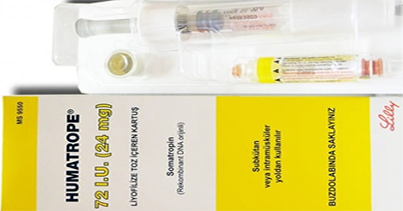
In the world of bodybuilding and physical optimization,growth hormone (somatropin) stands apart from traditional anabolic steroids. When the primary goal is to drastically reduce body fat while preserving muscle density and fullness, the targeted useof HGH for muscle definition is one of the most widely discussed and effective protocols. However, maximizing its effectiveness requires a thorough understanding of dosage, administration timing, and endocrine physiology.



Why HGH Is Essential During the Cutting Phase
Unlike androgens, whose primary action involves protein synthesis and nitrogen retention, HGH acts primarily as a powerful metabolic modulator. Its impact on weight loss and skin vascularization stems from two key biological processes:
- Induction of Lipolysis: Somatropin directly stimulates hormone-sensitive lipase (HSL), promoting the breakdown of triglycerides stored in adipocytes into free fatty acids that are ready to be oxidized for energy.
- Anti-catabolic action and glucose conservation: During periods of severe calorie restriction ( cutting phase), HGH forces the body to use fat as its preferred fuel source, thereby preserving glycogen stores and the intracellular amino acid pool.
- Tissue Density and Quality: By boosting collagen synthesis, growth hormone strengthens tendons and joints, giving muscles that compact, lean, and well-defined appearance typical of advanced training regimens.
HGH for Muscle Building: Recommended Dosage
One of the most common mistakes is using excessive amounts. Unlike during extreme mass-gaining phases, where dosages can increase significantly, physiologically controlled doses are sufficient to maximize fat oxidation without causing significant water retention or insulin resistance.
In the context of muscle definition, standard dosages are generally structured according to these guidelines:
- Beginner Level / Metabolic Optimization: 1.5–2 IU per day. This amount is ideal for kickstarting the breakdown of stubborn fat, improving sleep quality, and promoting recovery without significantly affecting insulin sensitivity.
- Advanced Level / Competition Definition: 3–4 IU per day. This is the optimal dosage for experienced athletes. Beyond this threshold, lipolysis reaches a plateau, while the risk of extracellular water retention (which blurs muscle definition) and lethargy increases exponentially.
Keeping the dosage between 2 and 4 IU per day allows you to take advantage of HGH’s pure lipolytic effect without overloading the pancreas or requiring the combined use of exogenous insulin.
Dosage Schedule: When to Take Somatropin
The timing of (subcutaneous) injections is just as critical as the absolute dose. HGH and insulin act as antagonistic hormones: high levels of insulin in the blood almost completely inhibit the lipolytic effect of somatropin. Consequently, injections must be timed to coincide with periods of low blood glucose levels.
1. In the morning on an empty stomach (before cardio)
This is the key moment for those aiming for maximum fat burning. Take 2–3 IU as soon as you wake up, wait about 30–40 minutes, and then perform a low- or moderate-intensity aerobic exercise session (LISS) to accelerate the oxidation of fatty acids released into the bloodstream.
2. Split Dosing
If the protocol calls for doses of 4 IU or more per day, it is advisable to divide the dose into two small daily doses to maintain stable serum levels and avoid blood sugar spikes:
- First dose: Upon waking, on an empty stomach.
- Second dose: In the early afternoon, preferably between meals high in carbohydrates (at least 2 hours after your last meal and 30 minutes before your workout).
Cycle Duration and Realistic Expectations
HGH is not a fast-acting molecule. Unlike stimulants or thermogenics, its aesthetic and metabolic benefits are not apparent within a few days; rather, they require consistency and time for the hormone to accumulate in the body.
- Recommended minimum duration: No less than 12–16 weeks. Cycles shorter than three months are often ineffective and not cost-effective.
- Optimal phase: The most significant results in terms of reducing visceral and subcutaneous fat are consistently observed starting in the sixth to eighth week of continuous use.
Monitoring and Management of Side Effects
To maintain a lean physique and prevent long-term problems, it is essential to monitor certain key clinical parameters throughout the entire process:
- Insulin sensitivity: Prolonged use may cause insulin resistance. Monitor fasting blood glucose and glycated hemoglobin (HbA1c) regularly; supplementation with berberine or alpha-lipoic acid (ALA) may support carbohydrate metabolism.
- Thyroid function: Somatropin accelerates the peripheral conversion of T4 to T3, leading in some cases to a depletion of circulating thyroid hormone levels.
- Water retention and carpal tunnel syndrome: Tingling in the fingers or temporary joint swelling indicate that the initial dose is too high. In these cases, it is advisable to slightly reduce the dosage and allow the body to adapt gradually.
Conclusions
The use of HGH for muscle definition proves to be a tool of surgical precision when incorporated into a well-structured, low-calorie nutrition plan and a targeted training regimen. Adhering to a moderate dosage (2–4 IU) and carefully timed administration on an empty stomach allows somatropin to act as an irreplaceable catalyst for achieving minimal body fat while maintaining muscle mass.